
BMBE Registration: Who Qualifies for the Income Tax Exemption and How to Apply
By Tamoogi Team
What a Barangay Micro Business Enterprise is, the ₱3 million asset ceiling, the income tax and minimum wage exemptions, where to register, the two-year certificate, and the returns a BMBE still files.
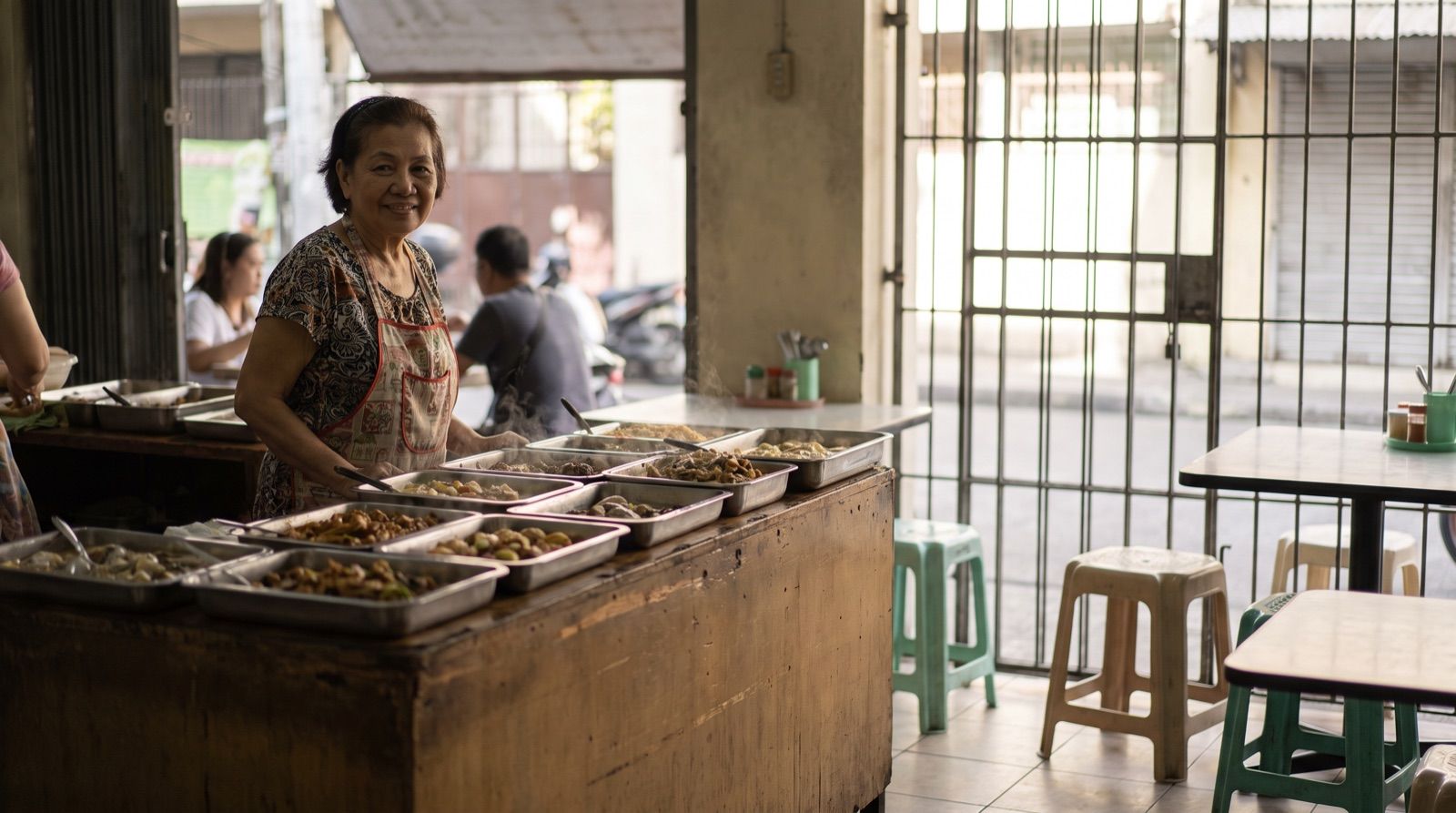
If your business is small enough, the government will stop taxing its income. That is the deal behind the Barangay Micro Business Enterprises Act (Republic Act No. 9178), which has been on the books since 2002 and is still under-used. A registered BMBE pays no income tax on income from its operations, can be exempted from the minimum wage law, and gets priority access to some government credit and training programs. The price is paperwork every two years.
Who qualifies
| Test | Requirement |
|---|---|
| Activity | Production, processing, manufacturing of products (including agro-processing), trading, or services |
| Total assets | Not more than ₱3 million, excluding the land on which the business premises stand |
| Excluded | Services rendered by a licensed professional in the practice of that profession (a doctor’s clinic or a law office can’t be a BMBE) |
| Form of business | Sole proprietorship, partnership, cooperative, or corporation; all can qualify if the asset test is met |
“Total assets” means everything the business owns and uses: cash, inventory, equipment, vehicles, receivables, and buildings, but not the land. A sari-sari store, a carinderia, a small repair shop, a tailoring business, a home-based food producer, and most online sellers fall comfortably under the ceiling.
What the registration gives you
Income tax exemption. Income from the enterprise’s operations is exempt. Income from other sources (a day job, rent from a property, interest) is still taxed normally. The exemption is reflected when you file: the BMBE’s income is reported as exempt on the annual return, and quarterly 1701Q payments on that income stop.
Minimum wage exemption. The Act exempts BMBEs from the minimum wage law. It does not exempt them from social security coverage, 13th month pay, holiday and rest day rules, or the other labor standards; see our 13th month pay guide.
Credit and support. Government financial institutions are directed to set aside credit for BMBEs, and DTI, DOST, and TESDA programs give BMBEs priority in training and technology assistance.
What it doesn’t change. Percentage tax (or VAT, if you are over the ₱3 million sales threshold) still applies. Local business tax and the mayor’s permit still apply, although some LGUs reduce fees for BMBEs. Withholding on employees and suppliers still applies. The BIR registration, books, invoices, and returns all continue.
Where and how to register
The law assigns registration to the Office of the Treasurer of the city or municipality. In practice, three doors lead there:
- The city or municipal hall, often through the business permits office, which forwards to the treasurer.
- A DTI Negosyo Center, which helps fill in the form and compile the documents.
- The DTI’s BMBE-Online portal, which accepts the application remotely and routes it to the LGU.
Documents, in the usual order:
- The BMBE application form (Form 01), in triplicate, signed by the owner or an authorized officer
- Three passport-size photos
- Proof of business registration: DTI business name certificate, or SEC or CDA registration
- The current mayor’s permit
- A sworn statement of assets listing the business’s assets and their values, with supporting documents for anything substantial
- The BIR Certificate of Registration
- The latest income tax return (for existing businesses; new ones submit a sworn statement that no return is due yet)
Requirements vary a little between LGUs, and some ask for a barangay clearance or a sketch of the business location. The Wise guide to BMBE registration has a sample checklist; your treasurer’s office has the binding one.
Fees and timing. The law makes registration free for the first application, and allows LGUs to charge a renewal fee. The treasurer’s office has 15 working days to act on a complete application. The result is a Certificate of Authority valid for two years.
Telling the BIR
The Certificate of Authority doesn’t change your BIR registration by itself. Bring it to your RDO (or file Form 1905 through ORUS) so the income tax exemption is reflected on your registration. Keep filing the quarterly and annual returns; the income is reported as exempt rather than omitted. If you had elected the 8% income tax option, the BMBE exemption replaces it for the enterprise’s income, but percentage tax under Section 116 continues.
Renewal and losing the status
The certificate runs out after two years. Renew with the same office, with an updated sworn statement of assets and the latest return. Two things end the status early:
- Growing past ₱3 million in assets. The exemption applies only while you qualify. Report the change; the BIR expects income tax from the date you crossed the ceiling.
- Changing the business into a professional practice or merging it into a larger entity.
An expired certificate means the exemption lapses from the expiry date, so put the renewal on the calendar with the other two-year and five-year items, next to the DTI business name renewal.
Is it worth it?
For a micro business already paying income tax at graduated rates or the 8% option, the exemption is real money: a carinderia netting ₱400,000 a year saves the tax on that income. For a business that is barely breaking even, the tax saved is small and the benefit is mainly the access to credit and the reduced LGU fees. Either way, the cost is a morning at the treasurer’s office every two years.
If you have not registered the business at all yet, start with the sole proprietorship registration guide; the BMBE application needs the DTI, LGU, and BIR registrations first.
Questions and answers
Common questions
- What is a BMBE?
- A Barangay Micro Business Enterprise under Republic Act No. 9178: a business engaged in producing, processing, manufacturing, trading, or services, whose total assets, excluding the land the business sits on, are not more than ₱3 million. Registered BMBEs are exempt from income tax on income from their operations.
- Where do I register as a BMBE?
- With the treasurer of the city or municipality where the business is located, which issues the Certificate of Authority. DTI's Negosyo Centers and the BMBE-Online portal help prepare and submit the application, and some LGUs process it through the business permits office.
- Is a BMBE exempt from all taxes?
- No. The exemption covers income tax on income from the enterprise's operations. Business taxes still apply: percentage tax or VAT, local business tax, and withholding taxes on employees and suppliers. BMBEs also still register with the BIR and file returns, reporting the exempt income.
- How long is the BMBE certificate valid?
- Two years, renewable for two years at a time. Renewal is filed with the same treasurer's office and may carry a fee. Keep the asset ceiling in mind at renewal: a business that has grown past ₱3 million in assets no longer qualifies.
- Can a BMBE pay below the minimum wage?
- RA 9178 exempts BMBEs from the minimum wage law, but employees remain entitled to SSS, PhilHealth, and Pag-IBIG coverage, 13th month pay, and the other labor standards. Many LGUs and DOLE encourage BMBEs to pay the regional minimum anyway, and the exemption is not a defence against other benefit claims.
Keep the next filing easier to find
Tamoogi keeps the task, due date, and supporting documents together for every business you manage.
Start a 30-day free trial